Important: A correction of the video: it should be glycosylated hemoglobin/ hemoglobina glicolisada instead of ‘’
Glucose is the main fuel source for our cells and brain. After we eat, glucose levels rise and the hormone insulin helps transport that glucose into our cells where it can be used for energy. When this system works well, we feel energized, focused, and satisfied after eating.
However, when the body becomes less sensitive to insulin (a condition called insulin resistance), glucose can no longer enter cells efficiently. This leads to:
Insulin resistance can develop silently for years before diagnosis, which is why early screening matters.
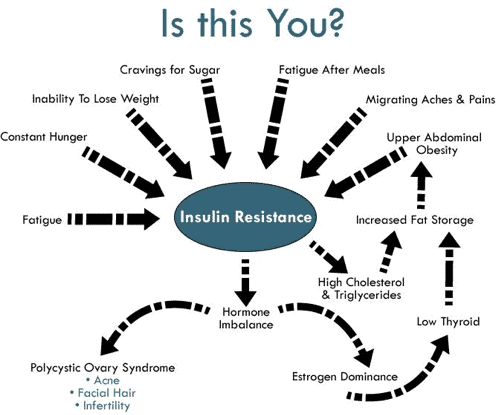
1- Do you need to eat every 2 hours? Always hungry?
2- Do you get dizzy during this time?
3- Do you fall asleep or feel tired after meals?
4- Do you forget things? Do you have lapses of focus?
5- Do you need to finish your meal with something sweet? Or Do you have frequent cravings or a need for sweets?
6- Have you been diagnosed with PCOS?
If you said YES to two or more, insulin resistance might be affecting your energy, hormones, mood, or metabolism.
It is important to take action early, because prevention works.
The good news: Insulin resistance can often be reversed through lifestyle interventions.
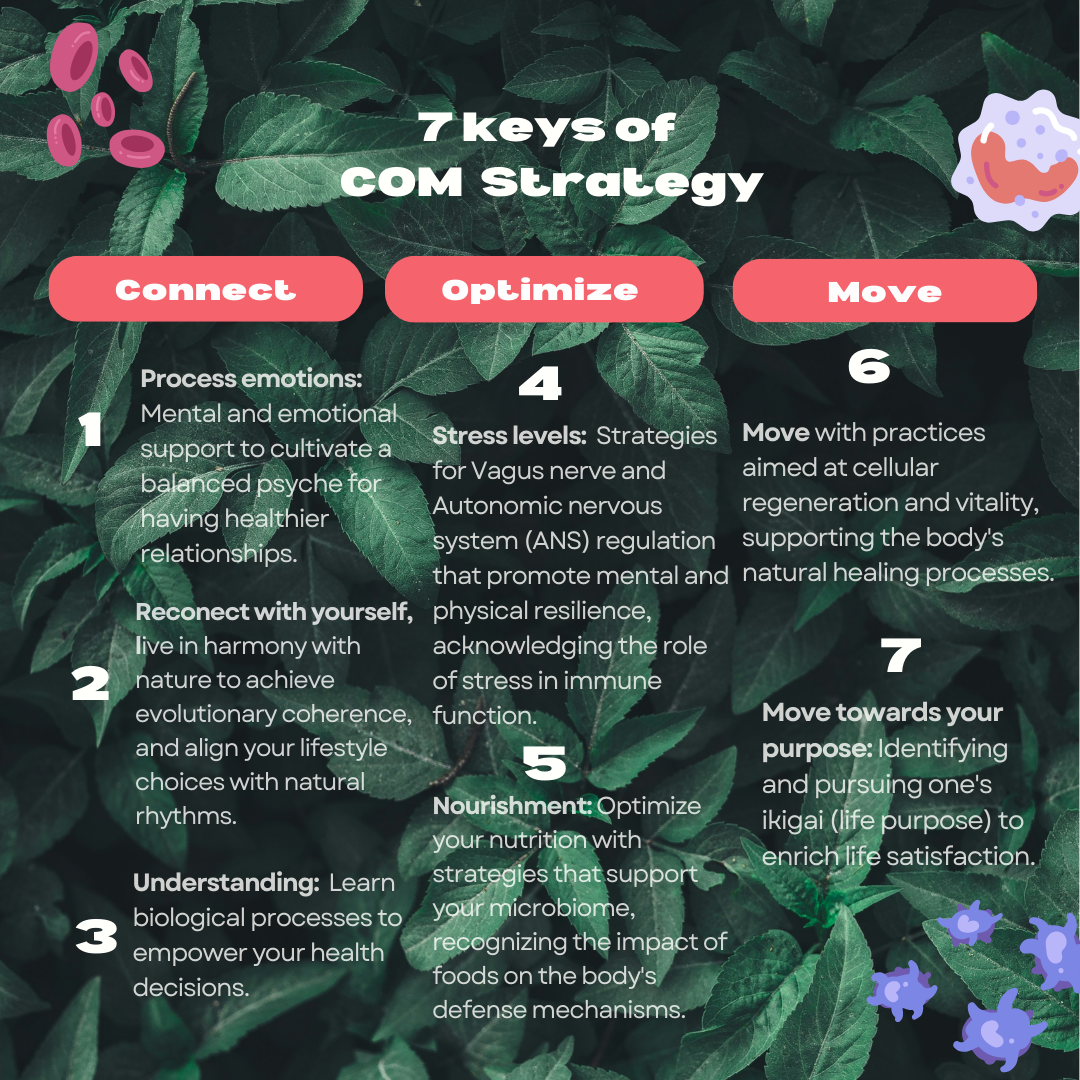
This is exactly what I help patients with in my PNI (Psychoneuroimmunology) Health Coaching Sessions, combining:
DeFronzo, R. A., et al. (2021). Pathophysiology of type 2 diabetes mellitus. The Lancet.
Taylor, R. (2019). Type 2 diabetes remission through lifestyle intervention. BMJ.
Diamanti-Kandarakis, E., et al. (2020). Insulin resistance in PCOS: Pathophysiology and interventions. Endocrine Reviews.
Ludwig, D. S., & Ebbeling, C. B. (2018). Carbohydrate quality and metabolic health. JAMA.