Understanding Work Stress and its
Impact on Performance & Job Satisfaction

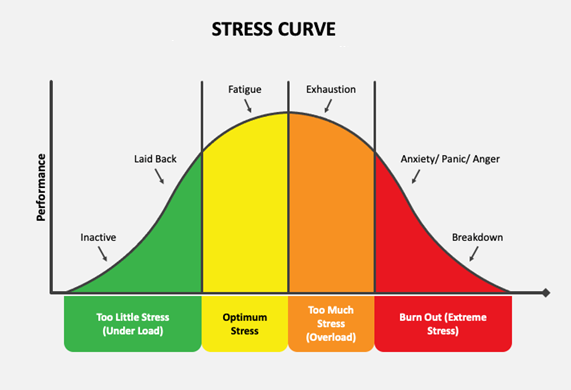
Work stress is a pervasive force in modern organisations: when employees face high demands, conflicting priorities, unclear roles or toxic environments, the strain doesn’t stay at the individual level it permeates performance, engagement and satisfaction. Stress at work is not just a personal issue but a strategic business risk.

Research shows that when stress becomes chronic, the cognitive bandwidth of employees shrinks. Rather than thriving, people begin to operate in survival mode, attentional lapses increase, emotional regulation falters, and the ability to sustain high-quality performance diminishes. A recent meta-analysis found a significant relationship between job satisfaction and performance (correlation around r = 0.339) across over 38,000 employees, highlighting how satisfaction and performance go hand-in-hand. ResearchGate Meanwhile, a systematic review of stress-management interventions found strong evidence that flexible work arrangements and stress management training improve job satisfaction and psychological health, though fewer studies measured performance directly. 

McKinsey Health Institute’s 2023 global survey of more than 30,000 employees found that organisations where employees reported positive “holistic health” (physical, mental, social and spiritual) also showed better performance and job outcomes, and that poor workplace demands strongly predicted burnout and poor satisfaction.

In this way, work stress becomes a disruptor of human capital. It undermines job satisfaction, promotes disengagement, increases absenteeism and impairs productivity. According to McKinsey research, employees in firms with weaker holistic health scores display lower levels of discretionary effort and weaker alignment with organisational goals.

 The implications for business are striking: stress-induced performance gaps, turnover, and lower innovation capacity.

Why job satisfaction matters

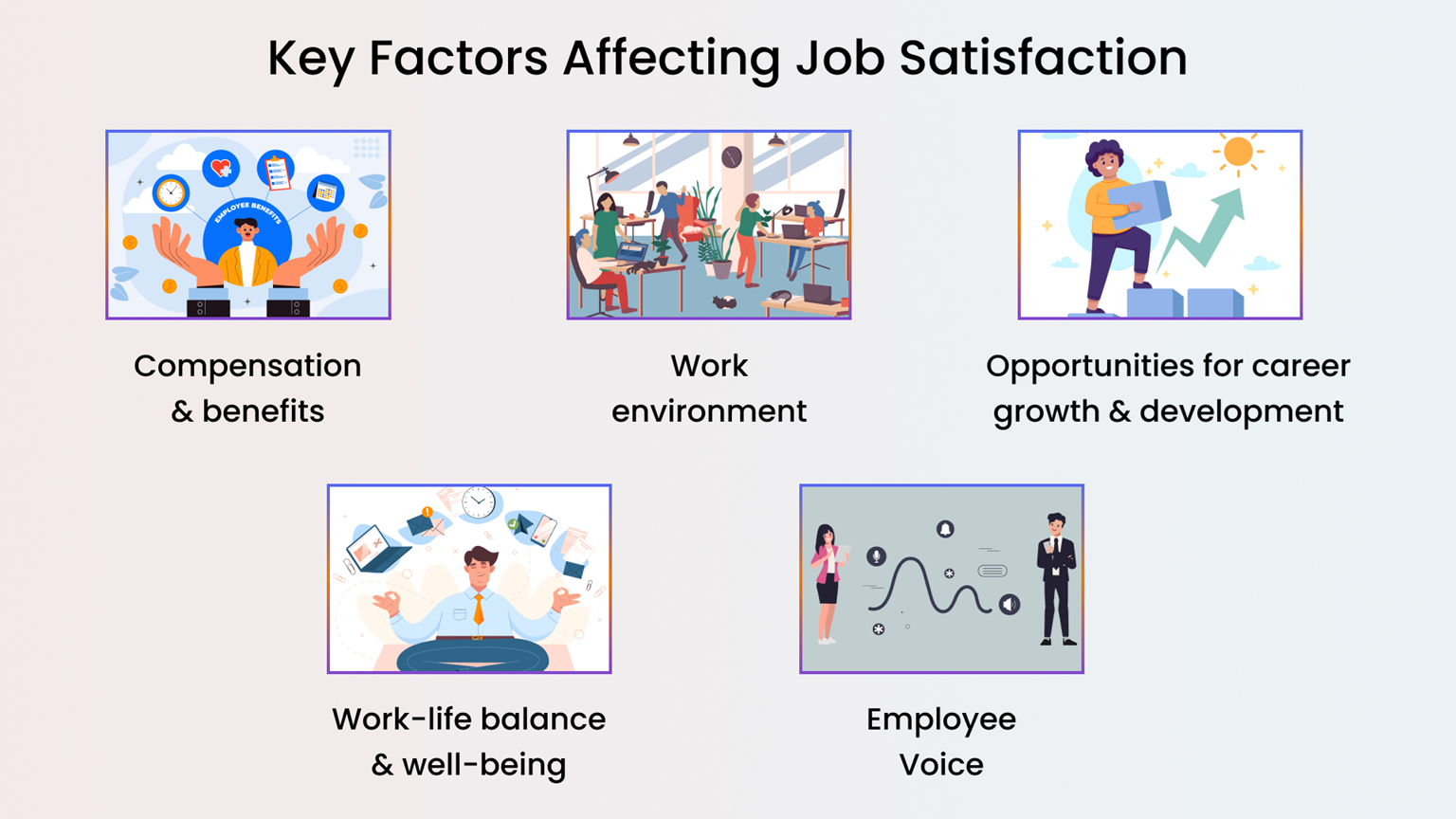
Job satisfaction is more than just a positive emotion, it is a predictor of behaviours crucial to performance. Employees who are satisfied are more engaged, less likely to disengage or leave, and often deliver higher quality outcomes. Conversely, low satisfaction often signals rising stress and diminished resources.

Interventions that reduce work stress and increase satisfaction can therefore help restore performance.

Feeling stressed and overwhlemed? Download our PNI health assesment for free

Why organisations should act


Addressing stress is not about isolated wellness programmes, it demands structural change. The McKinsey Health Institute emphasises that to improve employee holistic health and performance, organisations must tackle both the demands placed on employees (workload, role clarity, environment) and enable positive enablers (meaning at work, autonomy, support).

Only by balancing both can performance and satisfaction truly improve.

How our Healthy Productivity Programme addresses Work Stress

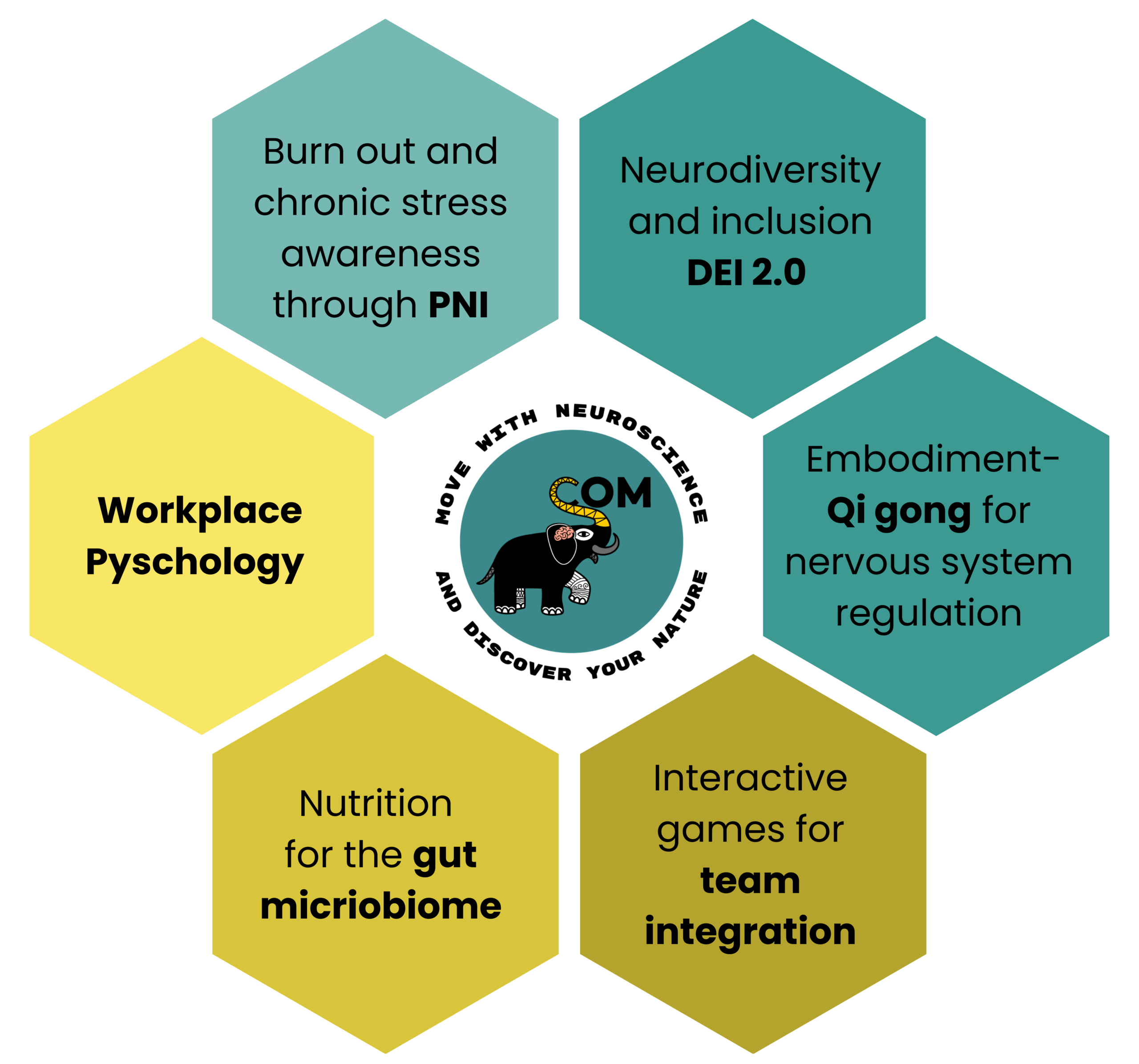
At Corner of Movement UG, we believe that high performance and well-being are two sides of the same coin. That’s why our corporate offerings are built to tackle both work stress and organisational resilience with evidence-based depth.

With our integrative approach we address key stress drivers (demand overload, lack of autonomy, misalignment) and enabling key resources (meaningful work, movement, health awareness), we guide organisations toward better job satisfaction and higher performance.

Image source: Corner ot Movement UG

If your company is serious about performance, health and inclusion then our Healthy Productivity suite is the strategic answer.

Bibliography

  • Kröll, C., Doebler, P., & Nüesch, S. (2017). Meta-Analytic Evidence of the Effectiveness of Stress Management at Work. Journal of Occupational Health Psychology. WiWi Münster

  • Chen, B., et al. (2022). Work Stress, Mental Health, and Employee Performance. Frontiers in Psychology. Frontiers

  • Jokanović, B. (2025). Job Satisfaction in the Face of Organizational Stress. Sustainability. MDPI

  • McKinsey Health Institute. (2023). Reframing Employee Health: Moving Beyond Burnout to Holistic Health. McKinsey & Company

  • McKinsey & Company. (2023). Thriving Workplaces: How Employers Can Improve Productivity and Change Lives.